
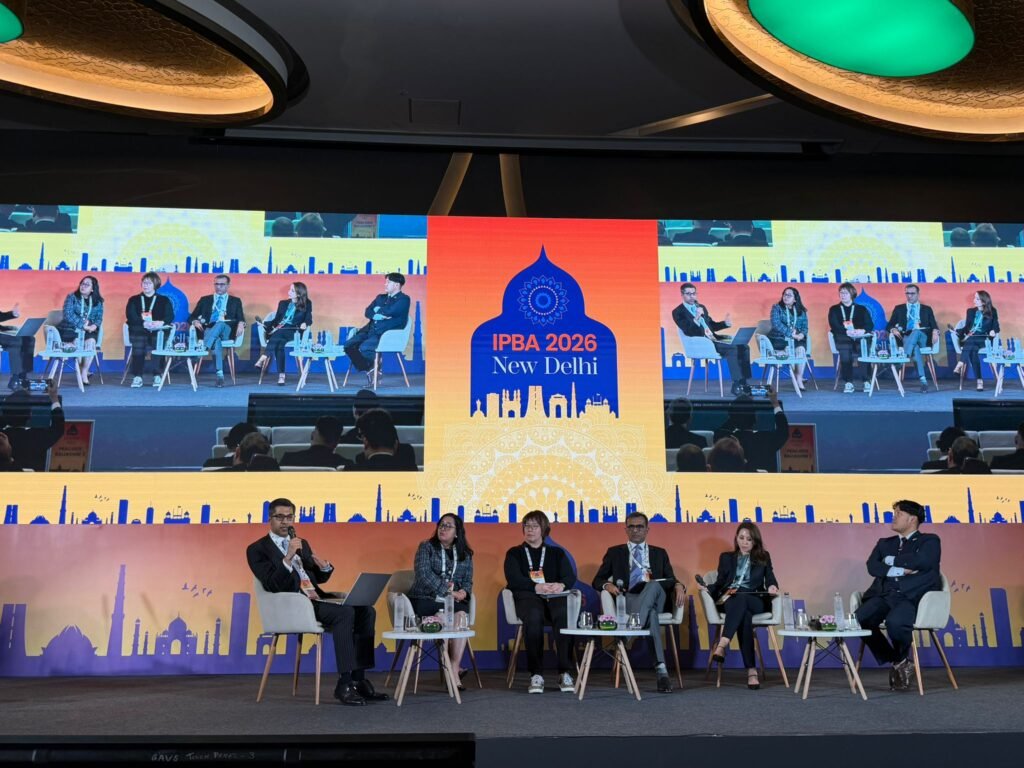
At the IPBA 2026 Annual Meeting on 26 February 2026, a panel moderated by Naresh Thacker brought together Ravi Aswani (36 Stone, London), Dawn Tan (Ashurst ADTLaw, Singapore), Patricia Ann Prodigalidad (ACCRALAW, Philippines), Julie Raneda (Schellenberg Wittmer, Singapore), and Ricky Aringo Sabornay (Sabornay Law, Member Firm of Uryu & Itoga) to examine whether diversity in international arbitration reflects genuine reform or improved branding. The discussion noted measurable institutional progress in 2024, with record levels of women appointed by several major arbitral institutions.
Yet the data also shows a gap. When parties appoint arbitrators themselves, diversity drops significantly. Studies on ICSID appointments continue to demonstrate that a small percentage of arbitrators receive a large share of cases — a pattern often driven by risk management. In high-value disputes, parties prefer familiar and proven names. Over time, this tendency to rely on the “usual suspects” narrows the pipeline and limits renewal within the profession.
As Ricky Aringo Sabornay put it:
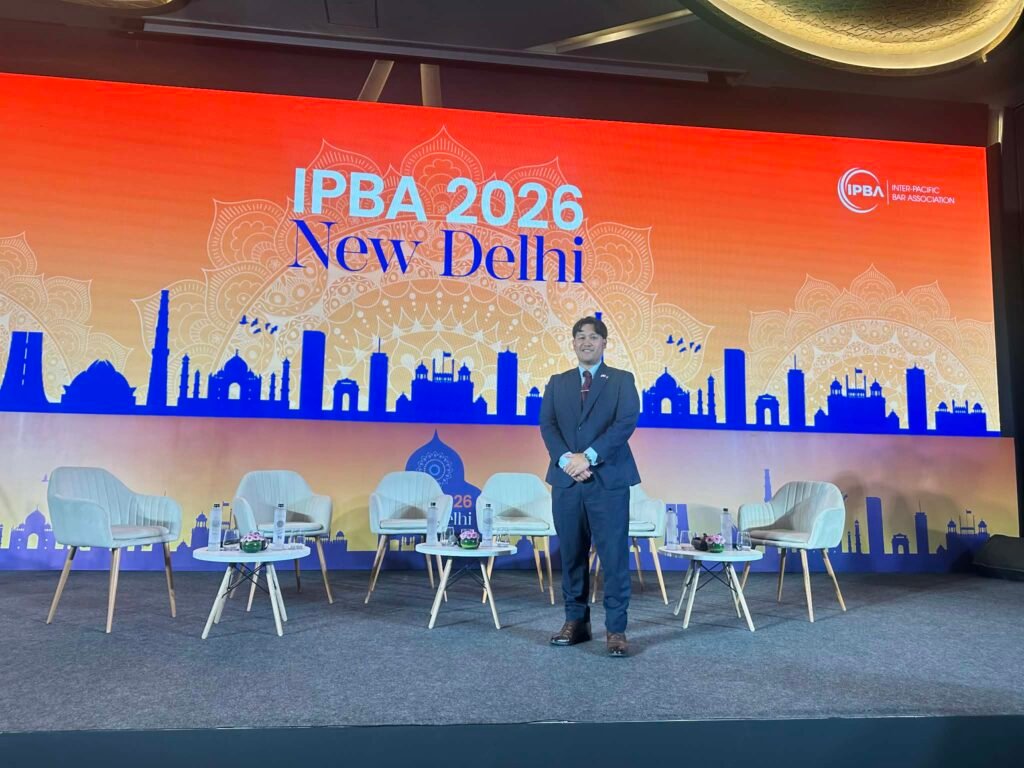
“International arbitration is a bit like a Michelin-star kitchen. It’s high stakes. It’s fast paced. And the same chefs get called back because they’ve done it before. But if the same 10 percent cook all the meals, the menu never changes and we don’t discover the new flavors that younger chefs can bring to the table. Younger and emerging practitioners need meaningful opportunities — especially in mid-sized cases — to build experience. Otherwise, the next generation of arbitrators will never develop, and the system risks becoming predictable rather than progressive.”
The panelists agreed that diversity is not merely symbolic; it is closely tied to legitimacy and long-term confidence in the system. Institutions have taken important steps, but structural change ultimately depends on the appointment decisions made by parties and their advisers.